For years, digital discovery followed a predictable path:
search → results → clicks → comparisons → decision.
That model is breaking.
Today, a growing percentage of buyers skip traditional search entirely and go straight to AI-powered answer engines to ask questions like:
- “Which legal firm should I work with in Spain?”
- “Best B2B SaaS growth agencies for Series A companies”
- “Who do investors recommend for M&A advisory in Europe?”
The difference is subtle, but critical:
they’re not searching — they’re asking.
From Search Engines to Answer Engines
Search engines return options.
Answer engines return judgment.
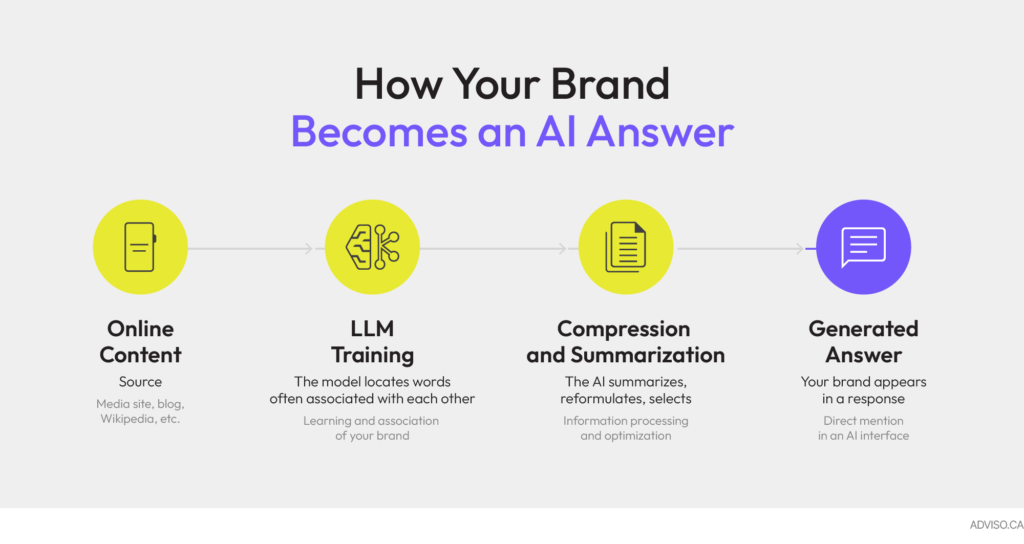
Platforms built by OpenAI, Google, and Perplexity AI are designed to:
- Understand intent
- Synthesize multiple sources
- Recommend the most relevant solutions
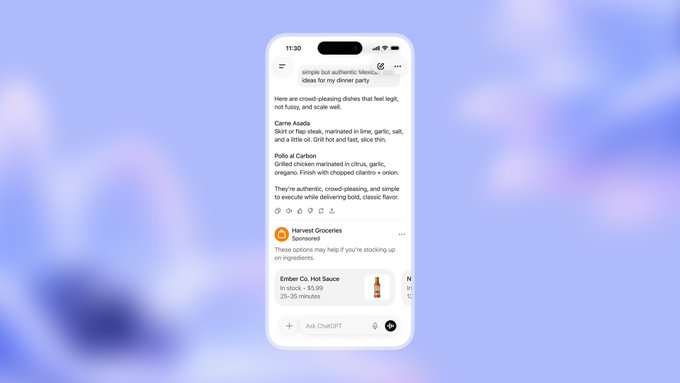
In many cases, users never see a SERP.
They see one answer — or a short list.
That single shift has massive implications for brand visibility.
AI Is Compressing the Buyer Journey
Traditional funnels were long and multi-touch.
AI-driven discovery compresses them.
What’s happening in practice:
- Buyers arrive pre-informed
- They trust the AI’s synthesis
- Vendor shortlists are created before any website visit
- Many brands are eliminated without knowing it
If your company isn’t clearly understood by AI systems, you’re invisible at the exact moment decisions are shaped.
What AI Looks For When Recommending Companies
Answer engines don’t “rank” pages the way Google does.
They evaluate entities.
Some of the strongest signals include:
1. Clear Positioning
AI needs to quickly understand:
- what you do
- who you’re for
- what differentiates you
Generic messaging = zero recommendation power.
2. Consistent External Signals
Mentions across:
- reputable media
- expert content
- industry-specific sources
Inconsistency confuses models. Consistency builds confidence.
3. Structured, Interpretable Content
Content that’s easy to:
- summarize
- quote
- compare
Long, unfocused blogs rarely win here.
Clear answers do.
Why Traditional SEO Misses This Shift
SEO optimizes for:
- keywords
- rankings
- clicks
AI-driven discovery optimizes for:
- questions
- trust
- recommendations
This doesn’t mean SEO is dead — far from it.
But on its own, it no longer controls visibility at the top of the funnel.
That gap is where Answer Engine Optimization (AEO) lives.
Where AEO Fits in the Modern Stack
AEO acts as a visibility layer above SEO.
It ensures that when AI engines:
- analyze your industry
- compare providers
- generate recommendations
…your brand is correctly positioned, clearly understood, and confidently mentioned.
At GoAnswers, we don’t chase rankings.
We shape how AI systems describe and recommend your business.
Who This Affects Most (Right Now)
We’re seeing the fastest impact in:
- Professional services (legal, tax, accounting, advisory)
- B2B SaaS and AI companies
- Consulting and boutique firms
- Finance, healthcare, and real estate
If your buyers rely on expert validation and recommendations, AI already influences their choices.
The New Question Every Brand Should Ask
The real visibility question is no longer:
“How do we rank?”
It’s:
“When someone asks an AI who they should work with — are we mentioned, and how?”
Final Takeaway
AI isn’t just changing search.
It’s changing decision-making.
Brands that adapt early don’t just gain traffic —
they gain default trust in the places that matter most.